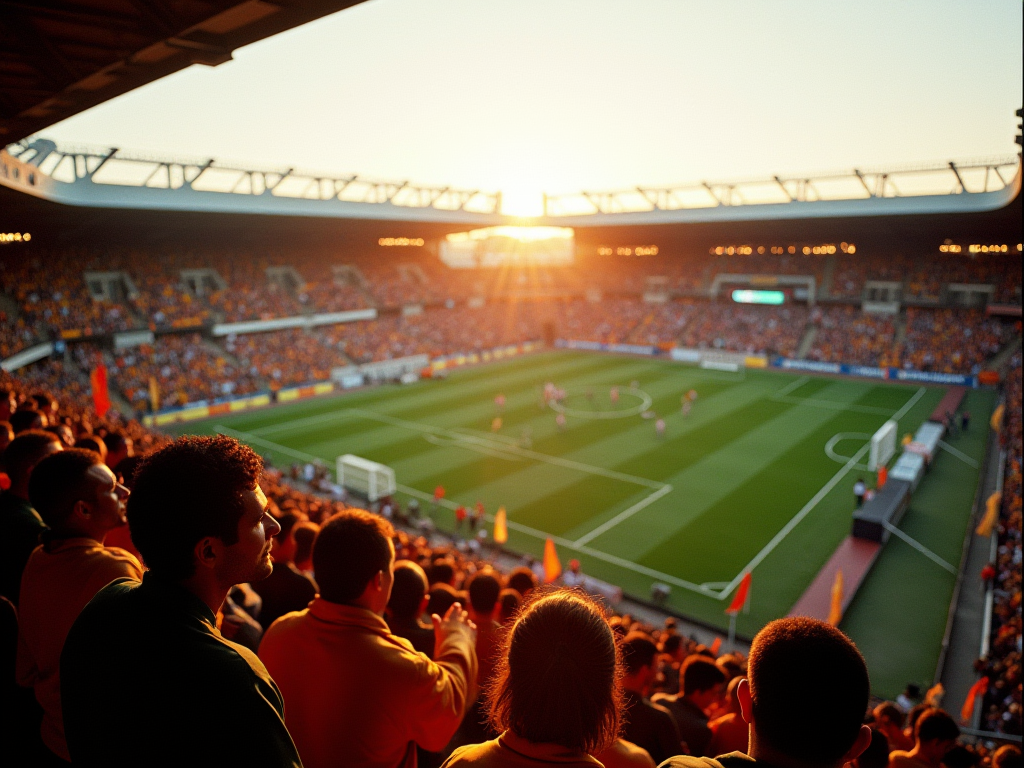
The year 2000 marked a significant chapter in the annals of South African football, as Bafana Bafana embarked on a quest for glory at the African Cup of Nations (AFCON) held on home soil. This tournament, which ran from January 23 to February 13, 2000, was not just an opportunity to showcase footballing talent, but also a chance for a nation to rally around its beloved team during a time of both hope and challenge.
Bafana Bafana entered the tournament with high expectations, buoyed by the euphoria of their previous AFCON victory in 1996. The squad, featuring a blend of seasoned professionals and young talent, was led by the charismatic coach, Trott Moloto. Notable players such as Lucas Radebe, Benni McCarthy, and John Moshoeu were key figures in a squad that aimed to reclaim the continental title and unite a nation through the beautiful game.
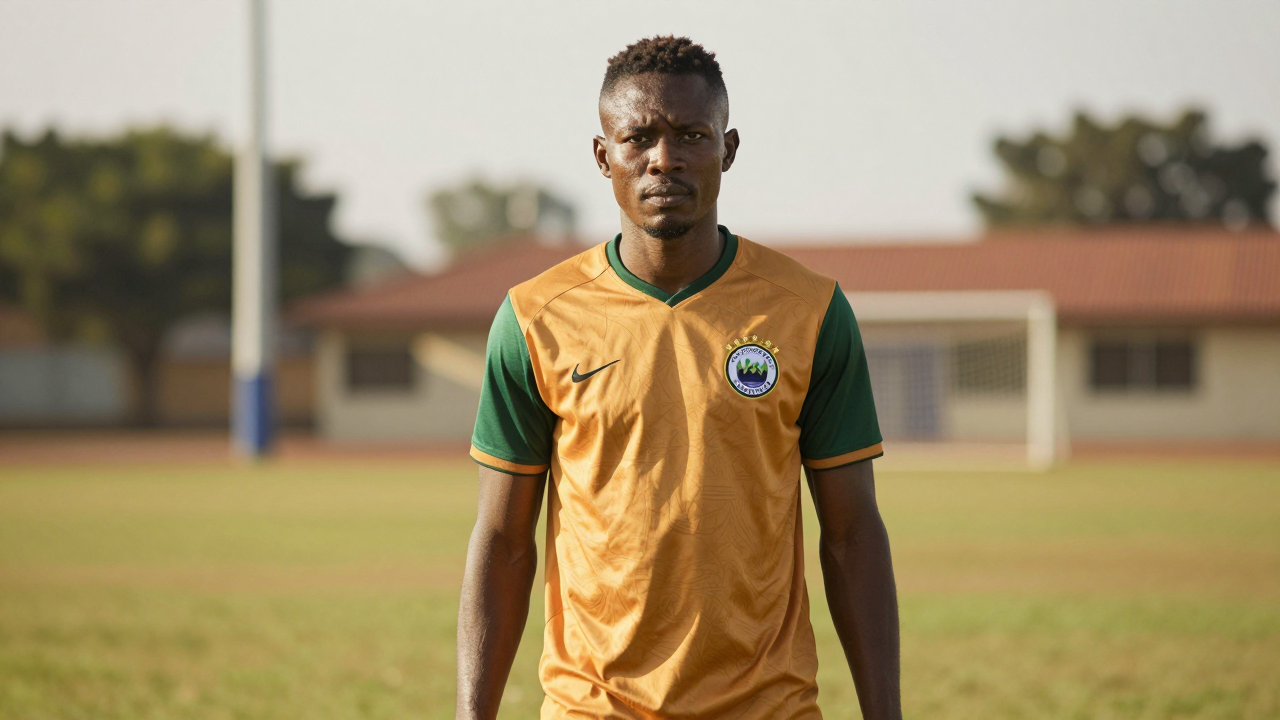
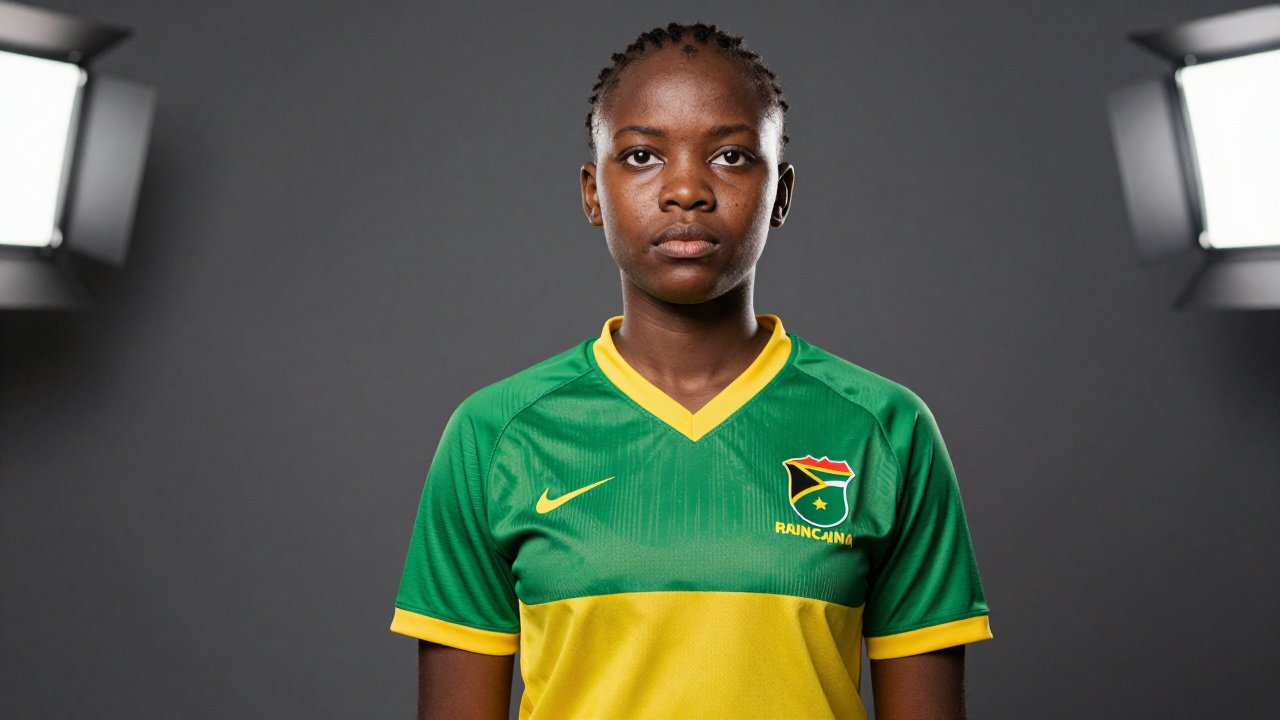
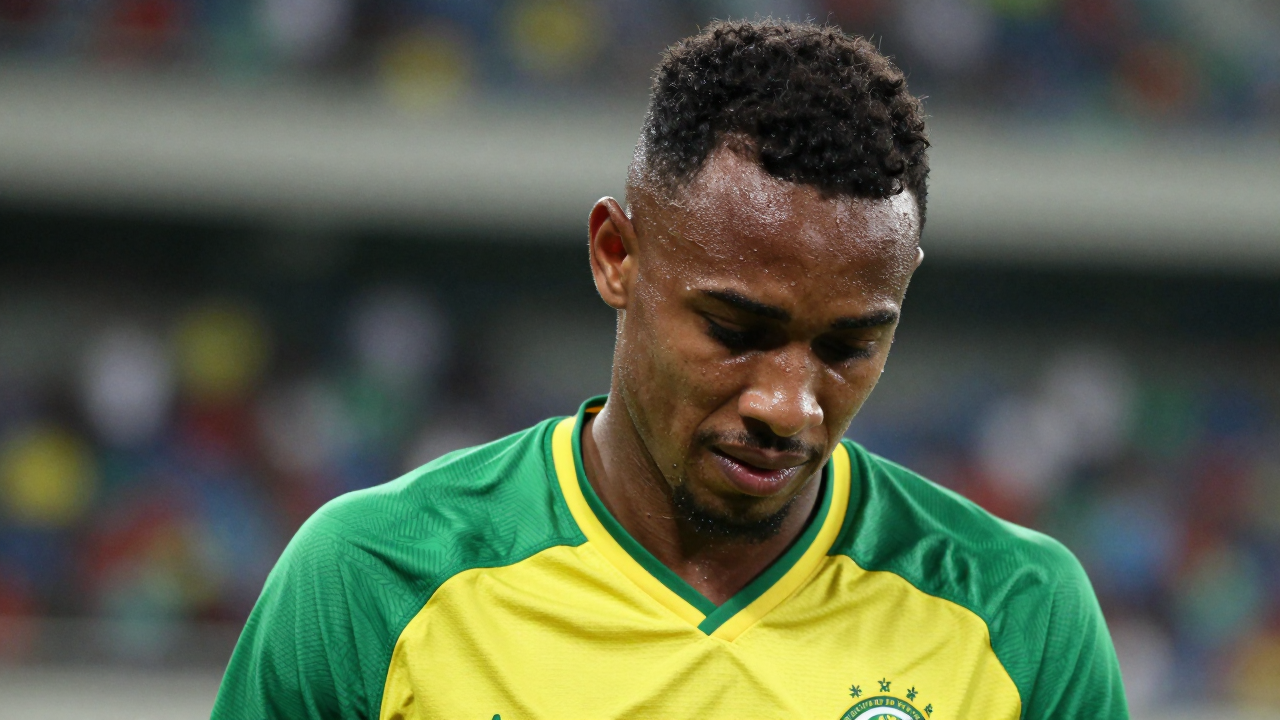
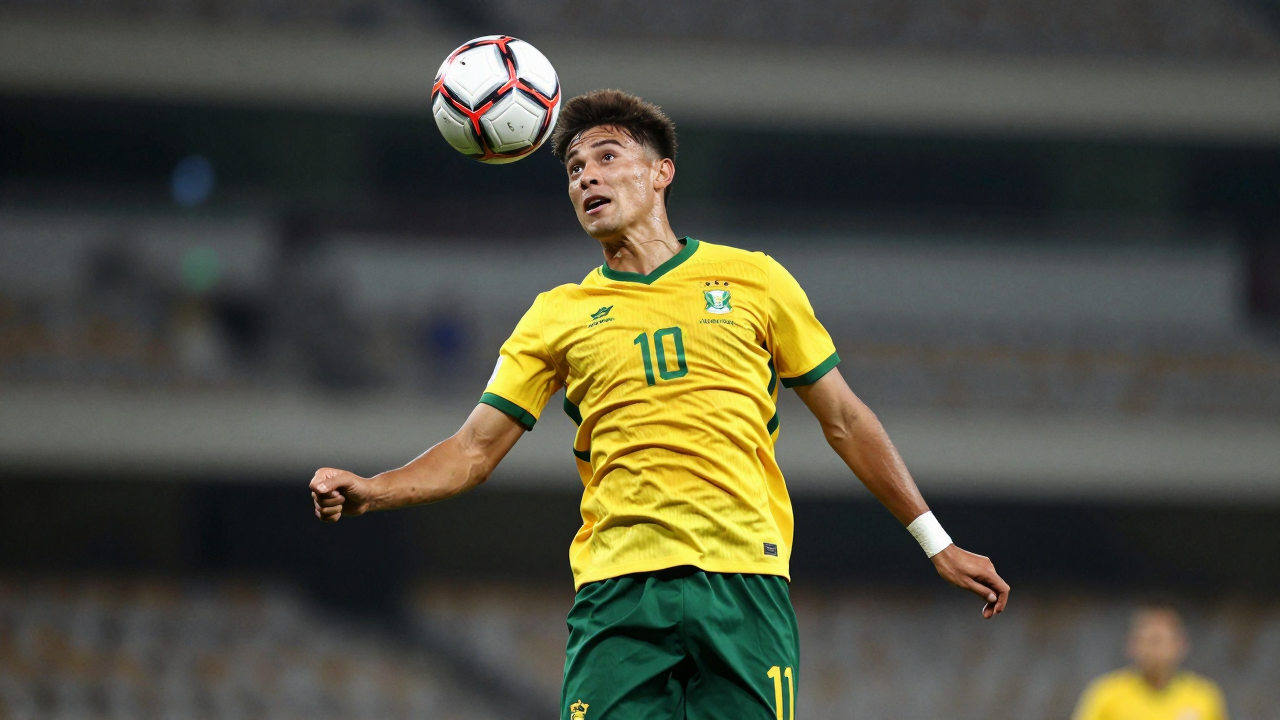
The tournament kicked off with a thrilling atmosphere as fans across the country donned their yellow and green jerseys, filling stadiums with palpable energy. Bafana Bafana started their campaign with a memorable match against Cameroon, where they showcased their attacking prowess and tactical discipline. The team’s fluid style of play, characterized by quick passing and dynamic movement, quickly endeared them to fans, who hoped for a repeat of their 1996 triumph.
As the tournament progressed, Bafana Bafana faced stiff competition from other African footballing powerhouses. The quarter-final against the highly-fancied Ghana was a defining moment; a nail-biting encounter that saw the hosts demonstrate resilience and skill under pressure. The match showcased the growing strength of South African football, as players like McCarthy and Moshoeu came to the fore, turning the tide in critical moments.
The semi-final clash against Nigeria was perhaps one of the most unforgettable matches in Bafana Bafana's history. The stadium erupted as the team battled against the 'Super Eagles,' a squad laden with talent and experience. The intensity of the match, filled with end-to-end action, kept fans on the edge of their seats. Despite the team’s valiant efforts, they faced a heartbreaking defeat, marking the end of their journey in the tournament.
However, the impact of the 2000 African Cup of Nations extended far beyond the final whistle. The tournament served as a catalyst for the development of football in South Africa, sparking a renewed interest in the sport among the youth. Schools and communities rallied to form football clubs, inspired by the national team's journey. The sense of pride and unity fostered during the tournament also helped to heal the social divides in a nation still grappling with the legacy of apartheid.
As Bafana Bafana prepares for the FIFA World Cup 2026, the lessons learned from the 2000 African Cup of Nations resonate strongly. The tournament not only highlighted the immense talent within the squad but also the power of football as a unifying force. As the team looks ahead, the memories of that tournament serve as a reminder of their potential and the unwavering support of their fans.
In retrospect, Bafana Bafana's journey in the 2000 AFCON was not merely about winning silverware; it was about inspiring a generation and laying the groundwork for the future of South African football. As fans eagerly await the World Cup, they hold onto the hope that Bafana Bafana will once again rise to the occasion, embodying the spirit of resilience and unity that was so evident during that remarkable tournament.