Bafana Bafana's Journey to Their First World Cup in 1998
The year 1998 stands as a monumental chapter in the annals of South African football. For the first time since its inception, Bafana Bafana graced the FIFA World Cup stage, an event that transcended mere sport and echoed the heartbeat of a nation emerging from the shadows of apartheid. This debut was not just about football; it was a celebration of unity, hope, and the spirit of a country that had long yearned for recognition.
The journey to France 1998 was as tumultuous as it was inspiring. Bafana Bafana faced the challenges of being a relatively new team on the international scene, having only been formed in 1992 after the end of apartheid. Under the guidance of coach Philippe Troussier, the squad began to forge an identity that would resonate with fans across the country. The likes of Lucas Radebe, Benni McCarthy, and Themba Tsotsi became household names, not just for their talent but for the stories they carried – stories of struggle, resilience, and the quest for excellence in the beautiful game.
As the tournament approached, the excitement was palpable across South Africa. The nation rallied behind the team, which had the dual task of representing South African football on a global stage while also embodying the collective aspirations of a diverse populace. The world watched closely as Bafana Bafana prepared to face the likes of Brazil, Norway, and Italy in the group stages. Each match was not merely a game; it was a battle for pride and an opportunity to showcase the country’s new democratic spirit.
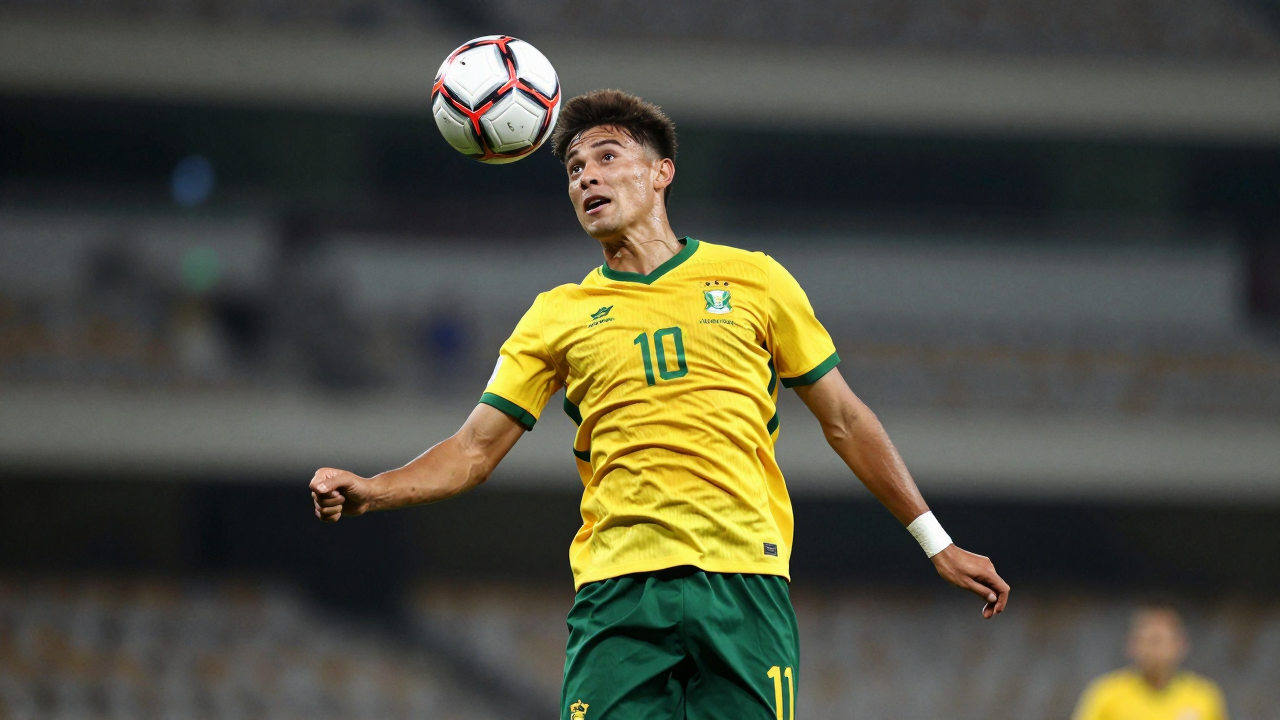
The opening match against Brazil at the Stade de la Beaujoire in Nantes was a significant moment. Although the outcome was not in South Africa's favor, the very act of stepping onto that pitch and competing against the reigning world champions was an achievement in itself. The players wore the national colors with pride, their hearts echoing the hopes of millions back home. Bafana Bafana’s presence marked a new dawn in South African football, and every dribble and tackle was a statement against the backdrop of the nation’s history.
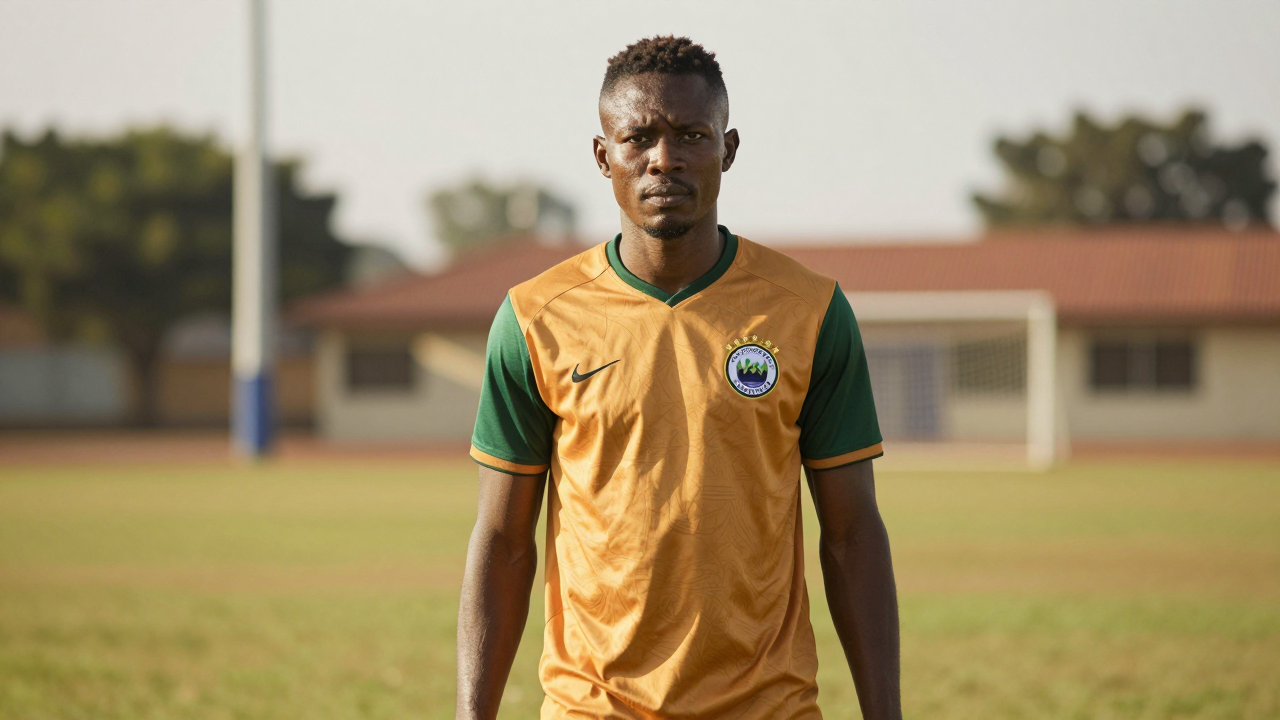
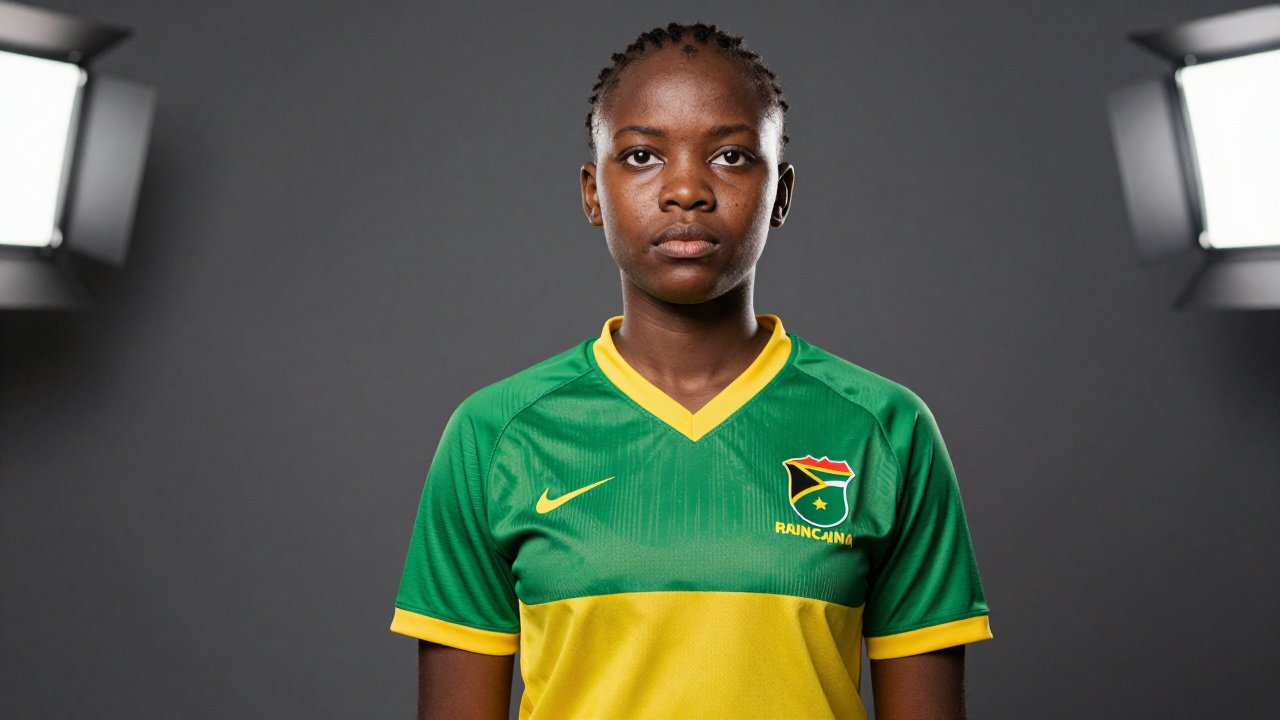
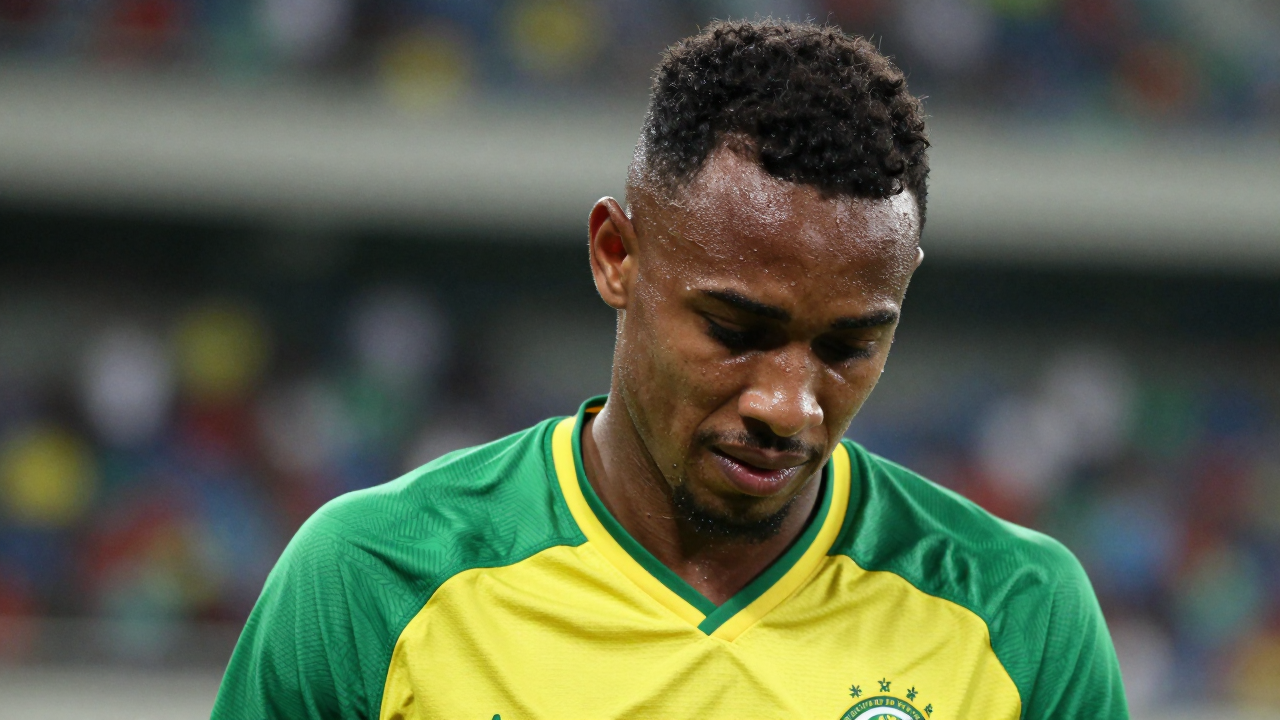
Off the pitch, the tournament served as a unifying force for South Africans. Streets filled with fans wearing the iconic yellow and green jerseys, singing and dancing with pride. The support Bafana Bafana received was reflective of a country eager to come together, to heal, and to celebrate its newfound identity. The 1998 World Cup was not just about playing football; it was about showcasing a nation that was reclaiming its place in the world.
Despite exiting the tournament in the group stages, Bafana Bafana’s legacy from France 1998 remains etched in the hearts of South Africans. The team’s debut ignited a passion for the game that continues to flourish today. Young players dreamt of donning the national jersey, inspired by the likes of McCarthy and Radebe, who carved their names into the history books. The experience laid the groundwork for future generations, proving that South African football could indeed compete on the world stage.
As the nation prepares for the 2026 FIFA World Cup, the legacy of 1998 serves as a reminder of how far Bafana Bafana has come. It is a testament to the enduring spirit of South African football, the unwavering support of its fans, and the continuous journey towards excellence. Each match played in the upcoming World Cup will carry the weight of history, the dreams of the past, and the aspirations for a brighter future as Bafana Bafana seeks to make their mark once more on the global stage.