National Team
South Africa VAR Delay Sparks Debate
South Africa's football team struggles with VAR implementation, sparking debate among supporters and officials.
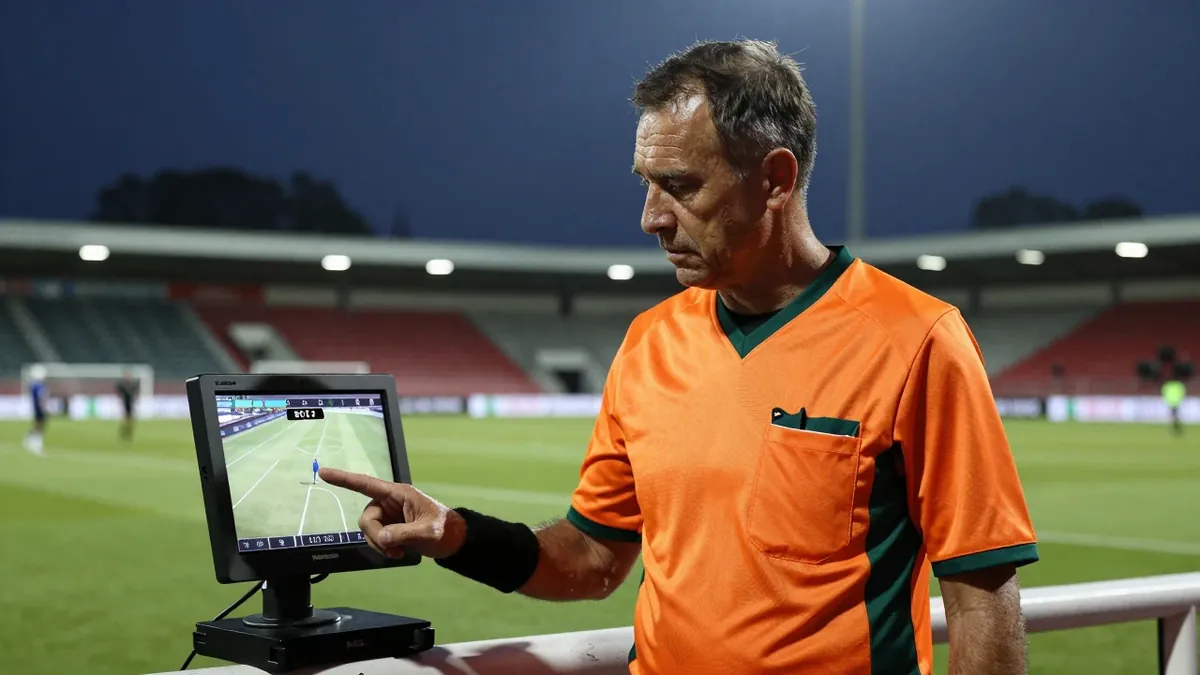
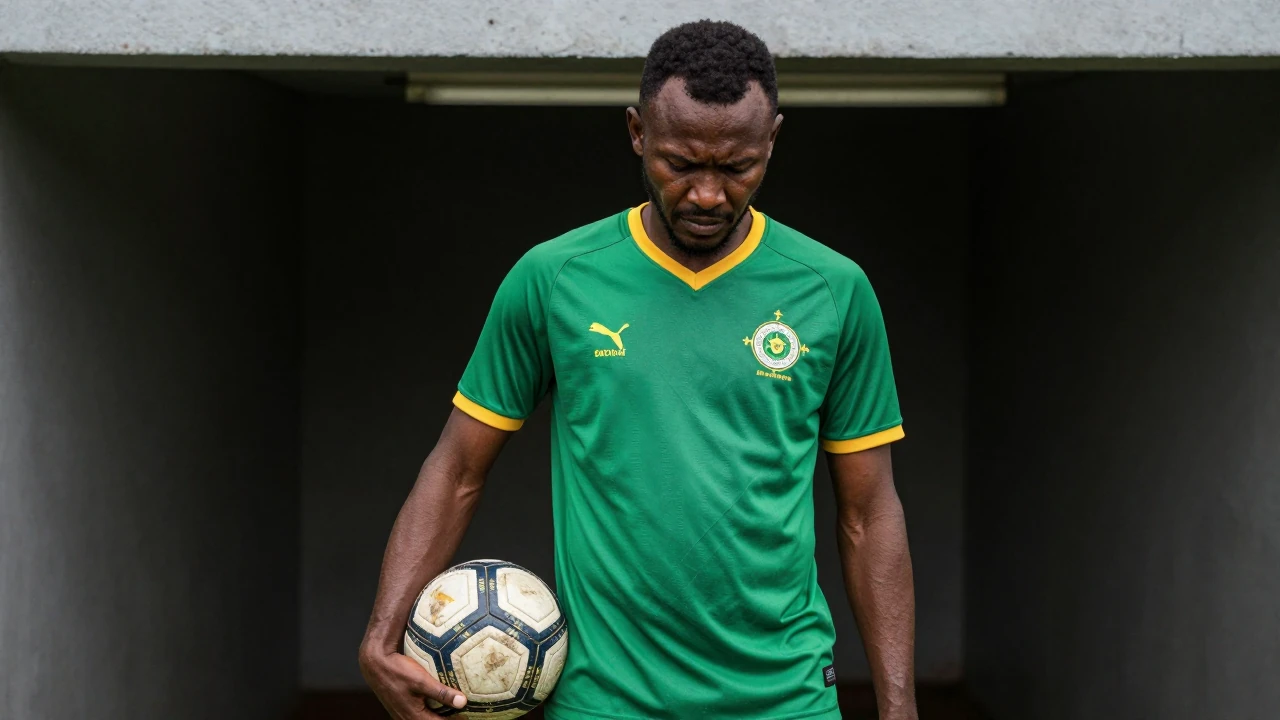
VAR Delay Sparks Debate in South African Football Mbali Hlophe 24 Aug 2026 | 11:08## What's Holding Up VAR? The Video Assistant Referee (VAR) debate has once again taken centre stage in South African football. Bafana Bafana's arrival at OR Tambo International Airport after their AFCON exit .07 January 2026. Picture: Katlego Jiyane/ EWN Gayton McKenzie wants answers from SAFA as the long-running VAR debate returns to the spotlight The Video Assistant Referee (VAR) debate has once again taken centre stage in South African football. Sports Minister Gayton McKenzie said on Sunday that he had written to the South African Football Association (SAFA) to ask for an update on the country’s plans to introduce VAR. The minister’s intervention comes after another controversial refereeing incident during the Kaizer Chiefs and Mamelodi Sundowns match, with television replays showing a Chiefs player winning the ball before making contact with a Sundowns player on his follow-through. The incident immediately sparked debate among football supporters. - Would VAR have changed the decision? - Should the player have received a different punishment? - And, more importantly, why is South Africa still waiting for VAR? The VAR debate has been going on for years. For South African football supporters, this is nothing new. VAR has been discussed for several years, with different timelines and promises made about when the technology would finally be introduced. PSL chairman Dr Irvin Khoza has previously said that the league was waiting for SAFA to provide clarity on the implementation of VAR. Months later, and now years later, the technology is still not being used in the Betway Premiership. That has left many supporters asking whether the problem is money, technology, training, infrastructure or simply a lack of coordination between the different stakeholders. Government has provided funding. One of the biggest questions surrounding VAR has always been funding. The Department of Sports, Arts and Culture has said that government provided funding to assist SAFA with the implementation of the system. SAFA has also confirmed that it received funding for the VAR project. So, if the money is available, why is VAR still not operational? That is one of the questions McKenzie’s latest intervention could force SAFA to answer. SAFA says it is not ready The biggest setback came when SAFA’s referees department indicated that VAR would not be available for the 2026/27 Betway Premiership season. The explanation has been that more work needs to be done, particularly around the training of officials and getting the necessary systems in place. That is understandable. VAR is not simply a matter of installing cameras at a stadium. The system requires trained VAR officials, technical operators, communication equipment, cameras, suitable infrastructure and extensive testing. But there is another question South African football needs to ask: Why wasn’t this work completed earlier? The country has known for years that VAR was coming. Is SAFA the problem? This is where the debate becomes complicated. SAFA is responsible for refereeing and the broader administration of football. The PSL, meanwhile, runs professional league football and would ultimately use VAR in its competitions. Government has provided financial support. Technology companies need to be appointed, referees need to be trained, stadiums need to be ready, all of these pieces have to come together. If one part of the process is delayed, VAR cannot be implemented. That appears to be where South Africa finds itself. There has been plenty of discussion, but not enough action. Does Gayton McKenzie have a point? Yes. The minister is justified in asking SAFA for an update. If the government has provided money towards the project, the public deserves to know what has happened to that funding and where the implementation process currently stands. McKenzie also has a responsibility to ensure that government-supported projects in sport deliver results. However, the minister cannot introduce VAR by himself. SAFA, the PSL, the referees’ department, technology providers and other stakeholders all have responsibilities. The solution therefore cannot simply be about blaming SAFA. There needs to be proper coordination. VAR will not solve every refereeing problem There is also a danger of treating VAR as the answer to every refereeing controversy. It isn’t. VAR will not make referees perfect. It will not stop supporters from complaining about decisions, it will not eliminate controversial moments from football. What VAR can do is give match officials another opportunity to review certain important incidents and correct clear and serious errors. That alone could improve confidence in the league’s officiating. South Africa is falling behind Perhaps the most frustrating part for South African supporters is that VAR is no longer new technology. The system is already being used in major football competitions around the world and CAF has been developing VAR capacity on the African continent. South Africa has a professional league, modern stadiums and a strong football economy. It should therefore be possible to implement a properly managed VAR system. The question is no longer whether South Africa can use VAR. The question is why it is taking so long. Can VAR happen in the next two or three seasons? It is certainly possible. South Africa is not starting from scratch. There is government funding, a SAFA project structure, officials who have received VAR exposure and ongoing discussions about the implementation process. If the remaining issues around training, procurement, infrastructure and stakeholder coordination are resolved, VAR could realistically become operational within the next few seasons. But supporters have heard promises before. That is why another announcement will not be enough. They want to see the system working. The ball is now in SAFA’s court Gayton McKenzie has asked the question. Now SAFA needs to provide the answers. South African football supporters deserve clarity on where the VAR project stands, how the funding is being used, what still needs to be done and when the technology can realistically be introduced. After years of hearing “VAR is coming,” supporters are understandably tired of waiting. The debate has moved beyond whether South Africa needs VAR. It is now about when it will arrive and what is holding it up. For South African football, the time for another promise may be over. The public wants a date, a plan and, finally, VAR.