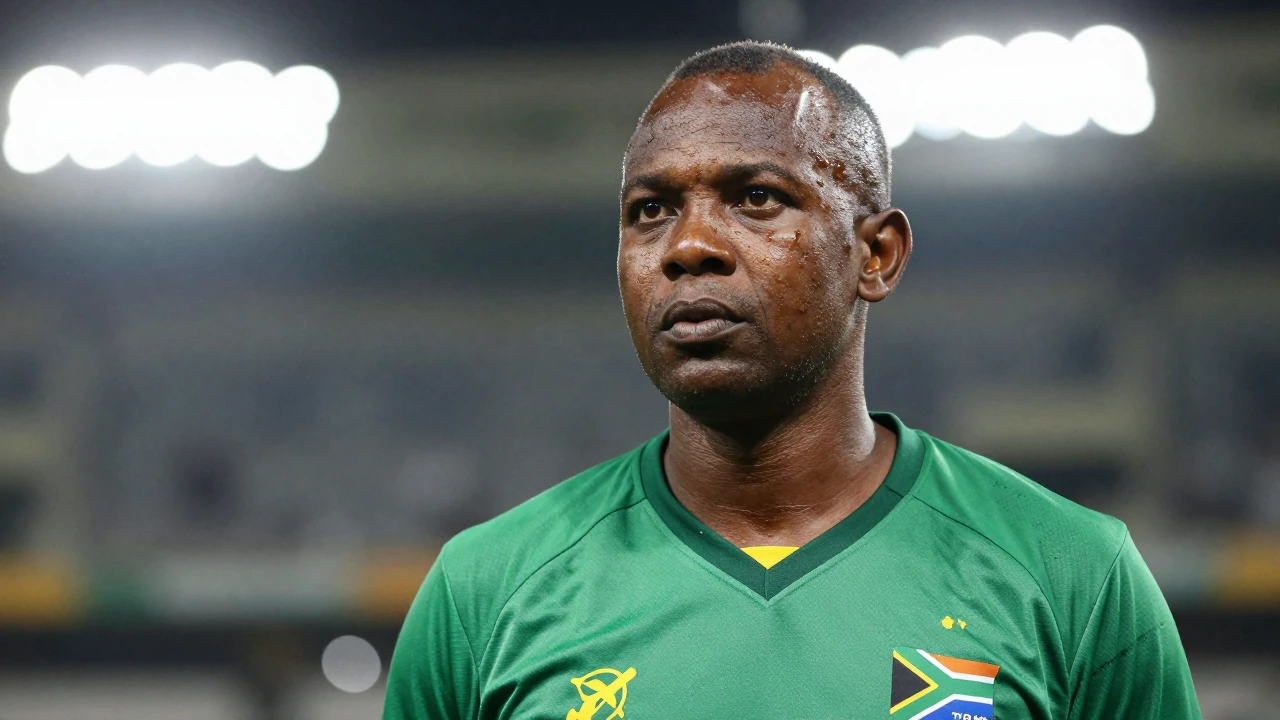
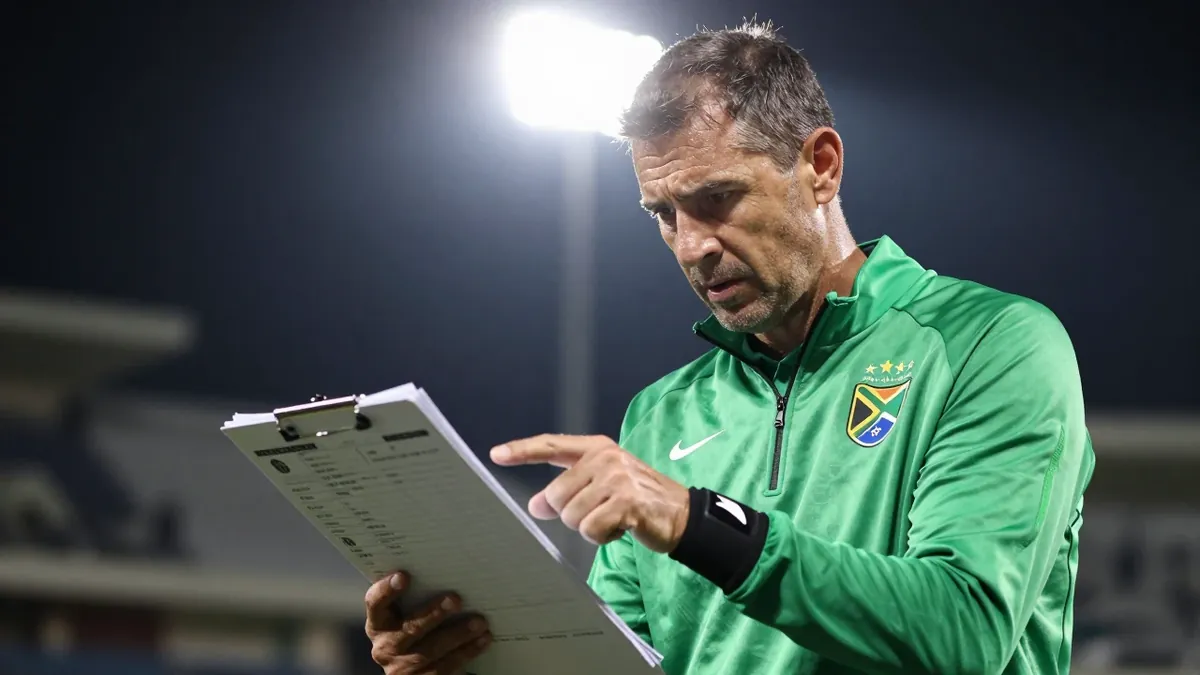
Bafana Bafana goalkeeper coach Grant Johnson has publicly questioned the South African Football Association's travel decisions during the 2026 FIFA World Cup. Johnson, speaking on the Soccer Beat podcast with Peter du Toit, argued that logistical choices after the group stage may have left players fatigued for their key knockout match.
Johnson was inside the camp and experienced the preparations first-hand. Their last result was a 1-0 defeat to Canada on June 28, a match central to Johnson's critique.
After playing a group-stage match on a Wednesday, the team returned to their FIFA-provided base camp in Pachuca, Mexico. Johnson described the location as an hour and a half flight back across the country. The following day, Thursday, was spent flying back to Pachuca and packing. On Friday, the squad flew from Pachuca to Los Angeles for their knockout fixture. They trained on Saturday and played Canada on Sunday.
This schedule meant two full days were dominated by travel, leaving only one day for on-pitch preparation before the match. Johnson pointed out that FIFA covered the base-camp arrangements but did not provide for an extra night's accommodation in Los Angeles. SAFA would have had to pay for that additional night itself.
Johnson stated a direct flight from Monterrey to Los Angeles was available. Choosing that option would have granted the squad an extra day of training and rest in Los Angeles. Instead, the team made the return trip to Pachuca before heading north. He labeled the choice "penny wise, pound foolish" and "out of order, SAFA."
He questioned whether financial considerations influenced the planning after Bafana Bafana created history by progressing from the group stages. Johnson argued the cost of an extra night's stay should have been insignificant compared to the benefit for the team. He also mentioned the draining traffic in Mexico, where it can take hours to get from the airport to the base camp, adding to overall fatigue.
Podcast host Peter du Toit observed, "I watched the game and I said, 'You know what? The players looked tired'." Johnson agreed the players appeared tired but stressed that travel arrangements are not an excuse for the result. He insisted it was not offered as an alibi for the 1-0 loss, which forms part of a recent run of 1 win, 2 draws, and 2 losses for the side.
The report raises questions about whether SAFA had adequate contingency plans for potential knockout-stage destinations. The decision to return to Pachuca appears to have been influenced by the additional cost of staying in Los Angeles, a priority Johnson believes was wrong.
South Africa's World Cup journey has been a mix of achievement and challenge. They currently trail group leaders Mexico by 5 points in the standings. Their form over the last five matches reads LWDDL, showing the difficulty of maintaining consistency at the highest level. Fans can track the team's progress and upcoming challenges on our standings and fixtures pages.
The team's overall campaign statistics, including their -1 goal difference, are available on our dedicated stats page. Johnson's account presents one perspective from within the camp, and SAFA would need to provide its own explanation for the logistical choices made during a historic World Cup run for South Africa.