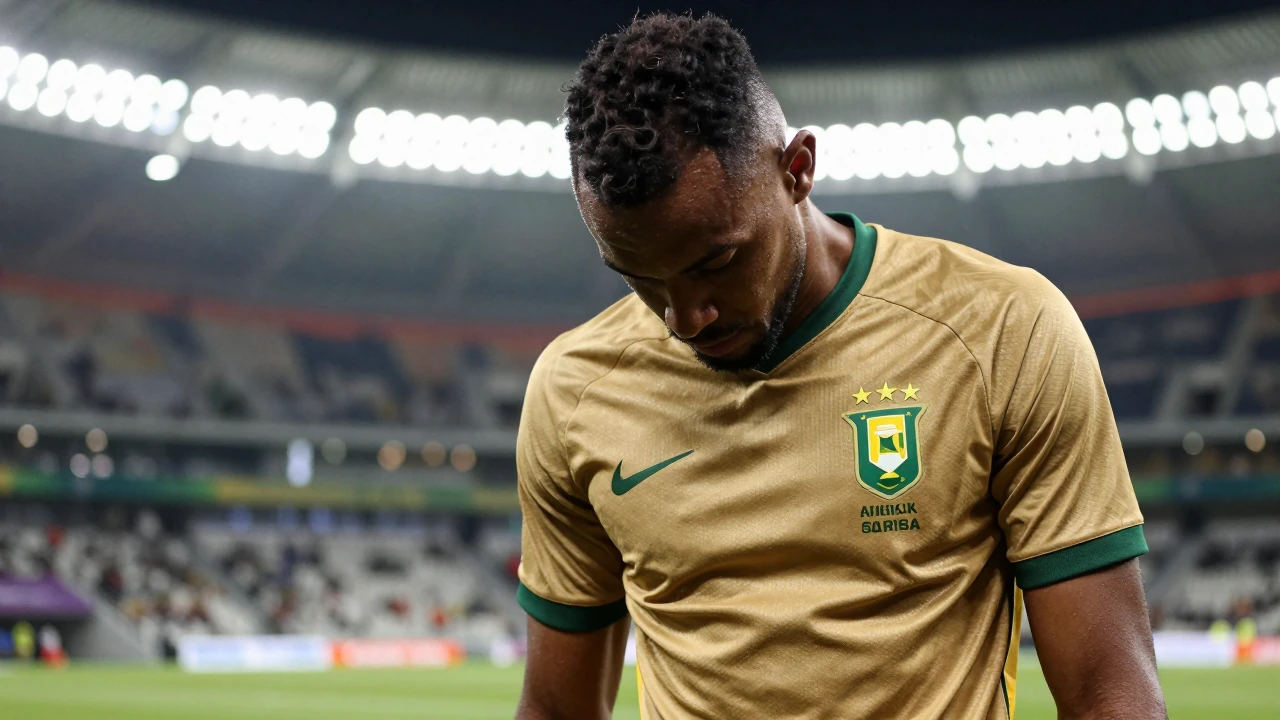
South Africa's football administration faces a public confrontation over VAR implementation while the continent's football governance faces scrutiny. Sports Minister Gayton McKenzie has demanded the South African Football Association return R13 million provided by the state for VAR technology that remains unimplemented.
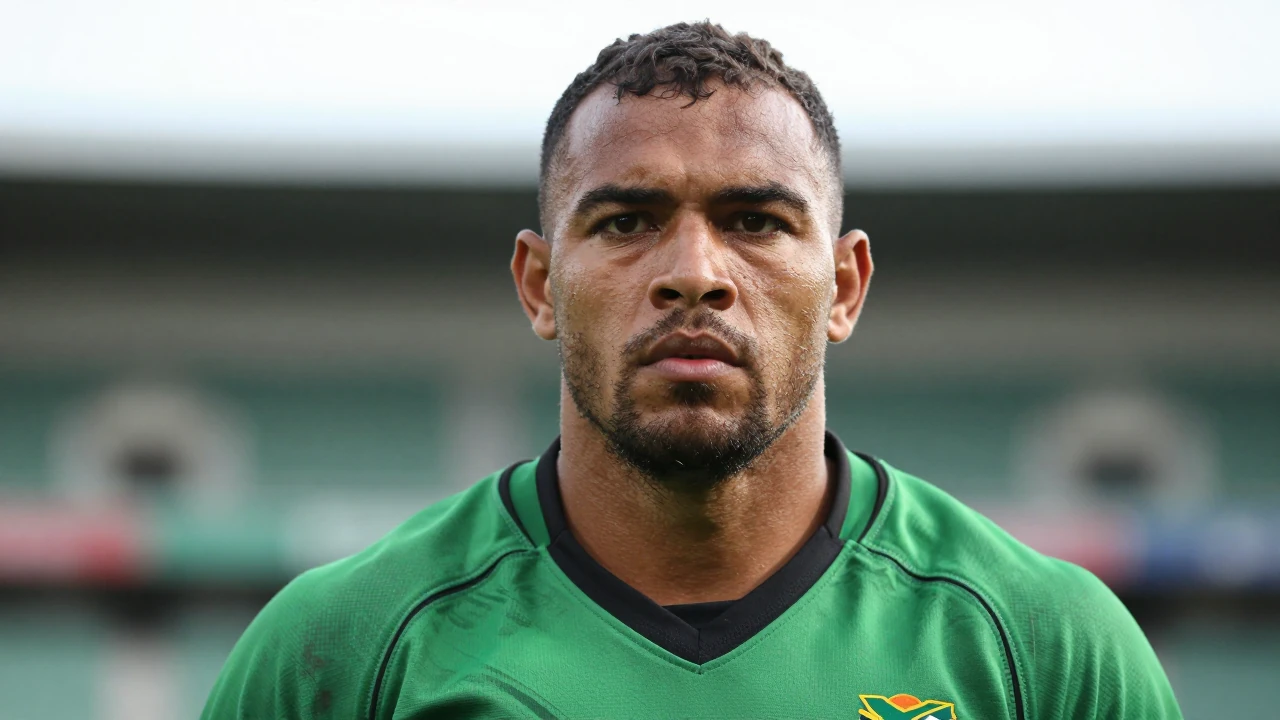
This dispute emerges as South Africa's national team, Bafana Bafana, continues its FIFA World Cup 2026 campaign. The team currently sits second in their qualifying group with 4 points from 3 games, recording 1 win, 1 draw, and 1 loss. Their recent form shows 2 wins, 1 draw, and 2 losses in their last five matches, with a 1-1 draw against Czechia on 18 June 2026 their most recent result.
Minister Gayton McKenzie's demand centers on state funds allocated to assist SAFA's VAR project. McKenzie says the money was provided to assist the project but that the technology has still not been implemented. The R13 million repayment demand represents a significant public clash between government and football authorities.
This confrontation occurs within South Africa's Premier Soccer League, described as one of Africa's strongest and most commercially developed domestic competitions. The VAR issue highlights broader questions about administrative accountability and resource management in African football.
Nigeria's football crisis provides the starkest example. Their men's national team, the Super Eagles, failed to qualify for the 2026 FIFA World Cup. Their women's team, the Super Falcons, lost 2-1 to South Africa in an African playoff in Morocco, ending their streak of appearing at every FIFA Women's World Cup since 1991.
The Nigeria Football Federation has apologized to President Bola Tinubu and established a fact-finding committee. The National Sports Commission moved to cancel the NFF's planned electoral process, considering a normalisation committee for transitional oversight. Critics argue the NFF's electoral college is too narrow, fueling calls for structural reform.
Morocco presents a contrasting model of stability and growth. Their men's national team rose from 84th in the FIFA rankings in 2018 to 6th in the world by 2026. They are preparing to co-host the 2030 FIFA World Cup alongside Portugal and Spain.
The Royal Moroccan Football Federation, under Fouzi Lekjaa, expects its national leagues to achieve full administrative independence by the end of 2026. The federation has also created a dedicated women's football structure within the national technical department, showing comprehensive planning.
Egypt's national team reached the round of 16 at the 2026 FIFA World Cup, with President Abdel Fattah El-Sisi receiving and honoring the players and technical staff. Senegal, despite an early World Cup exit, appointed Patrick Vieira as new national-team coach replacing Pape Thiaw. The Senegalese federation under president Abdoulaye Fall promoted a 2025–2029 development roadmap called PRAXIS.
Bafana Bafana's World Cup qualifying campaign shows mixed results. They have scored 2 goals and conceded 3, giving them a -1 goal difference. They trail group leaders Mexico by 5 points in the title race, making every remaining match important for their qualification hopes.
The team's recent form sequence reads DLWLW when viewed from most recent to oldest. Their upcoming fixtures will test whether they can close the gap on Mexico and secure automatic qualification. Fans can follow the squad's preparations and selections on our squad page.
The VAR funding dispute intersects with these on-field challenges. Administrative transparency and effective resource use become even more important when national teams compete at the highest level. South Africa's situation reflects a continent-wide examination of football governance structures.
African football stands at a crossroads between traditional administration models and modern accountability demands. The outcomes of Nigeria's investigation, South Africa's VAR resolution, and Morocco's continued development will shape the continent's football landscape for years. For detailed statistics on South Africa's qualifying campaign, visit our stats page.