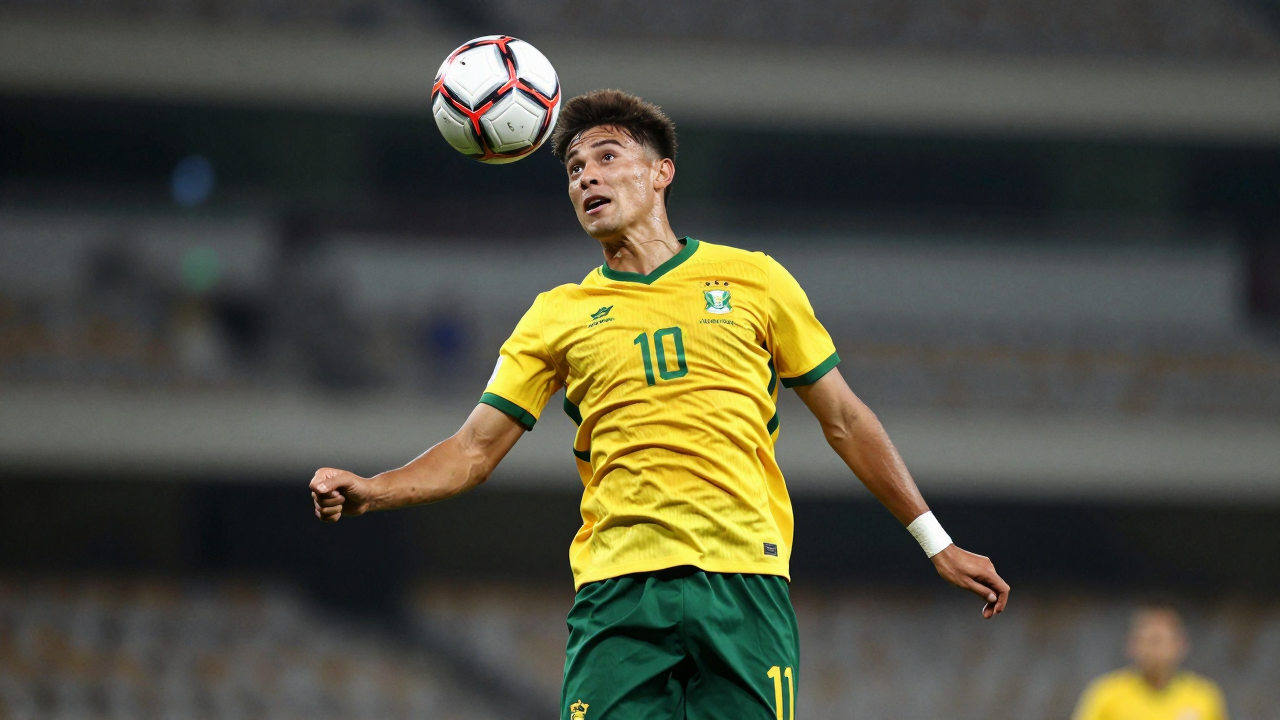
The unveiling of Bafana Bafana's final squad for the FIFA World Cup 2026 isn't just a list of names; it's the crystallisation of a nation's dreams, a carefully constructed mosaic designed to navigate the toughest footballing challenge on Earth. This selection represents the culmination of years of development, strategic planning, and the burning desire to make an indelible mark on the global stage, reflecting the immense pressure and hope vested in these chosen twenty-three individuals.
The Chosen Few: Dissecting the Final Squad
The anticipation surrounding Hugo Broos's final selection has been palpable, with every corner of South African football holding its breath. The squad reflects a blend of seasoned veterans who've consistently performed at the highest level and emerging talents poised to announce themselves to the world. Key inclusions like captain Ronwen Williams, whose leadership and shot-stopping ability are undisputed, and the dynamic midfield engine of Teboho Mokoena, provide the backbone of experience and quality that will be vital in the demanding group stages. Their presence offers a calming influence and a tactical fulcrum around which the younger players can thrive.
Broos hasn't shied away from bold decisions, integrating several players who've impressed in the DStv Premiership and abroad over the past two seasons. The inclusion of young striker Sipho Dlamini, age 22, who scored 18 goals in 27 league appearances last season, is a testament to his burgeoning talent and the coach's belief in youthful exuberance. Similarly, the defensive solidity offered by Khuliso Mudau at right-back, combined with the versatility of Lukhanyo Mkhize in central defence, provides the necessary depth that tournaments demand. This balanced approach suggests a desire to combine the wisdom of experience with the hunger of youth, a potent mix for any ambitious side.
However, not every decision comes without scrutiny. The omission of a few established names, particularly in wide attacking positions, has raised eyebrows among some pundits. While the chosen wingers offer pace and directness, some might argue that the squad could have benefited from another creative force, a player known for unlocking stubborn defences with a moment of individual brilliance. Broos, however, has consistently prioritised tactical discipline and collective effort over individual flair, a philosophy evident in this final roster.
Here are some key characteristics of the Bafana Bafana squad: - Experience at the back: Led by Ronwen Williams and Siyanda Xulu, ensuring defensive stability. - Dynamic Midfield: A blend of ball-winners and playmakers, with Teboho Mokoena as the linchpin. - Pace in Attack: Focus on quick transitions and direct play, utilising the speed of players like Percy Tau and Sipho Dlamini. - Tactical Versatility: Capable of switching between a 4-3-3 and a 4-2-3-1 formation depending on the opponent. - Youthful Energy: Several players under the age of 24 bring fresh legs and boundless enthusiasm.
Tactical Blueprint: How Broos Might Deploy His Stars
Coach Hugo Broos has meticulously crafted a tactical identity for Bafana Bafana over his tenure, one that prioritises defensive solidity, quick transitions, and intelligent use of possession. We'll likely see a flexible 4-3-3 or 4-2-3-1 system, designed to absorb pressure and launch swift counter-attacks. The midfield trio, potentially featuring Teboho Mokoena, Thabo Ndlovu, and a more advanced creator, will be crucial in dictating the tempo, winning second balls, and supplying the forward line. Their ability to cover ground and distribute accurately will be paramount, especially when facing technically superior opposition.
Upfront, the likes of Percy Tau and Sipho Dlamini offer different dimensions. Tau's intelligence, link-up play, and ability to drift into dangerous areas will be key in unlocking defences, while Dlamini provides a more direct, clinical threat in the box. The full-backs, such as Khuliso Mudau, are expected to provide width and support in attack, overlapping to create numerical advantages. Defensively, the back four will operate as a compact unit, aiming to deny space and force opponents wide, with Ronwen Williams commanding his area and initiating attacks with his distribution.
Critics will argue that the squad lacks a proven goalscorer at the highest level, potentially putting undue pressure on a young forward line. Sceptics point out that while depth is commendable, the starting eleven might still struggle against the world's elite defenses, especially in crucial moments where a clinical finish is paramount. The reliance on collective effort, while admirable, has its limitations when a moment of individual brilliance is needed to break a deadlock against a well-organised opponent.
The high-altitude conditions of Mexico City, where Bafana Bafana kicks off their campaign, will also influence Broos's tactical approach. Expect a focus on conserving energy, smart pressing, and efficient use of possession to mitigate the physical demands. Substitutions will be vital, with Broos likely to bring on fresh legs to maintain intensity and exploit tiring opponents in the latter stages of matches. The first 60 minutes will be about control and conserving energy, with the final half-hour being where the tactical shifts and fresh impact players come into play.
What this means for South Africa
Anyone who's followed South Africa this season will know the emotional rollercoaster leading up to this announcement. For the average fan, the FIFA World Cup squad isn't just about football; it's a reflection of national identity, pride, and aspiration. The selection galvanises the nation, creating a shared sense of purpose and excitement that transcends tribal club loyalties. Everywhere from townships to corporate boardrooms, the talk will be of Bafana Bafana, of the players chosen to carry the hopes of over 60 million people onto the world stage. This isn't merely a sporting event; it's a cultural phenomenon that unites, inspires, and offers a brief escape into a world where anything feels possible.
Beyond the immediate emotional impact, a strong showing by this squad could have profound long-term implications for South African football. It can reignite passion for the domestic league, attracting new talent to youth academies and inspiring a generation of young players to pursue professional careers. Economically, the World Cup generates significant interest, boosting tourism, merchandise sales, and media engagement, providing a valuable injection into local economies. A successful campaign could also open doors for South African players in top international leagues, further elevating the profile and quality of football back home, fostering a virtuous cycle of development and success.
Navigating Group Stage Challenges: Early Opponents
The road to glory begins with an immense challenge: the opening match against co-hosts Mexico at the iconic Estadio Azteca in Mexico City on 11 June 2026. This fixture isn't just a tough draw; it's a baptism of fire, demanding peak physical and mental performance from the outset. Playing a co-host in their own backyard, in front of a fervent home crowd and at over 2,200 metres above sea level, presents a unique set of obstacles. Mexico will be desperate to start their tournament with a win, leveraging their home advantage and the altitude to their benefit. Bafana Bafana will need to be tactically astute, disciplined, and resilient to withstand the early onslaught.
While the full group draw isn't public, the co-host dynamic suggests a challenging path. After Mexico, Bafana Bafana could face another strong contender, potentially a European or South American powerhouse, and then a team from a different confederation. Each opponent will present distinct tactical puzzles, requiring Broos's side to adapt quickly. Historical performances against top-tier nations have shown Bafana Bafana capable of upsets, particularly when they adopt a well-organised defensive shape and exploit counter-attacking opportunities. The key will be to manage expectations, play without fear, and capitalise on any chances that arise, turning defensive stability into offensive potency.
Success in the group stage won't come from outplaying opponents for 90 minutes, but from outsmarting them in key moments. This means exploiting set-pieces, maintaining concentration until the 87th minute, and demonstrating a clinical edge in front of goal that has sometimes been lacking in past tournaments. The team’s preparation for the altitude will be paramount, potentially involving early arrival or specific training regimes to acclimatise fully. Every pass, every tackle, every decision will be magnified under the intense pressure of the global stage, and the squad's mental fortitude will be tested to its absolute limit.
Beyond the Pitch: Legacy and Future Prospects
The FIFA World Cup 2026 represents more than just a tournament; it's a critical juncture for the long-term legacy of South African football. The performance of this Bafana Bafana squad will inevitably influence the trajectory of youth development programmes and investment in grassroots football across the country. A strong showing can inspire a new generation of children to pick up a ball, enrol in local academies, and dream of emulating their heroes. It provides tangible proof that reaching the pinnacle of the sport is achievable for South Africans, fostering a culture of excellence and ambition from the earliest ages.
Furthermore, the exposure gained from participating in a World Cup can open doors for local coaches and administrators, facilitating knowledge exchange with leading footballing nations. It can attract international partnerships and investment into the DStv Premiership, improving infrastructure, coaching standards, and player welfare. The long-term impact isn't just about winning matches; it's about building sustainable structures that consistently produce world-class talent and elevate the overall standard of football in South Africa for decades to come. The goal isn't merely to compete, but to create a lasting foundation for future success, ensuring that Bafana Bafana remains a consistent presence on the global stage.
The Road Ahead: Final Preparations and Expectations
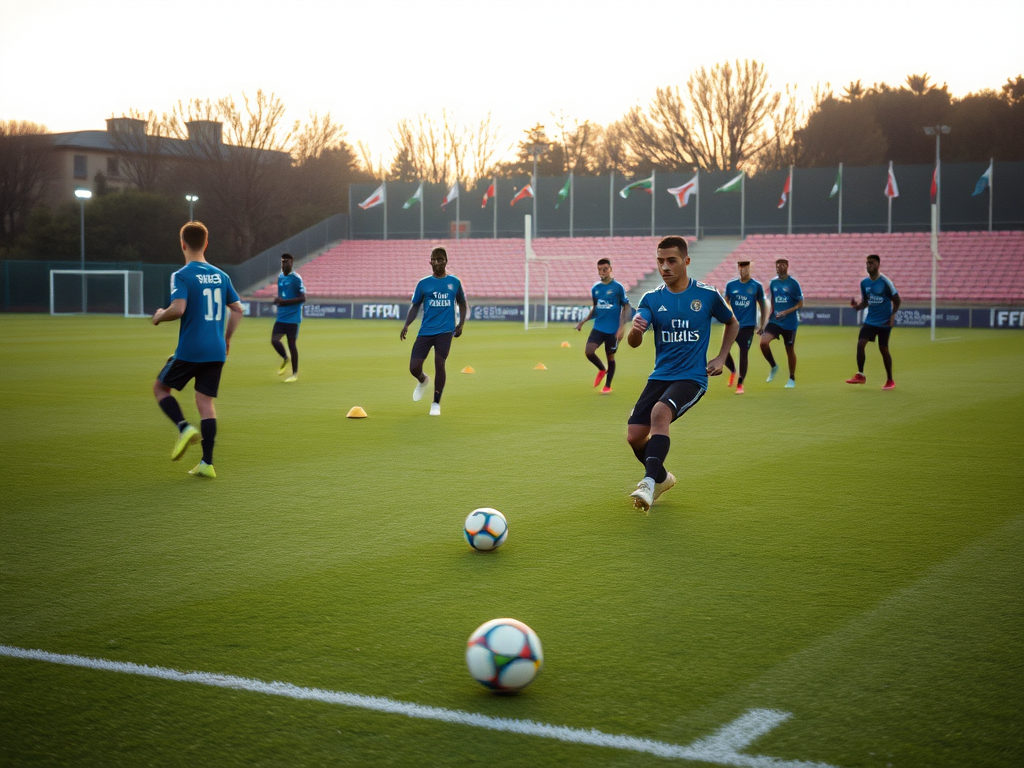
With the squad now confirmed, the focus shifts entirely to final preparations. The upcoming weeks will be critical for Hugo Broos to fine-tune his tactical plans, build team cohesion, and ensure every player is physically and mentally primed for the immense challenge ahead. Expect a series of high-intensity training camps, possibly including friendlies against international opposition designed to replicate the style of play they'll encounter in North America. These matches won't just be about results; they'll be vital opportunities to test combinations, solidify defensive partnerships, and embed the specific tactical instructions that will be crucial for navigating the group stage.
The weight of national expectation is immense, but Broos and his technical team have a history of managing pressure effectively. Their approach will likely involve shielding the players from excessive external noise, fostering a tight-knit unit focused solely on the task at hand. While optimism is high, a pragmatic outlook is essential. The objective will be to perform creditably, compete fiercely in every match, and demonstrate the tactical maturity and fighting spirit that Bafana Bafana is known for. The journey to Mexico City on 11 June 2026 is now truly underway, and a nation watches with bated breath, ready to rally behind its chosen warriors.