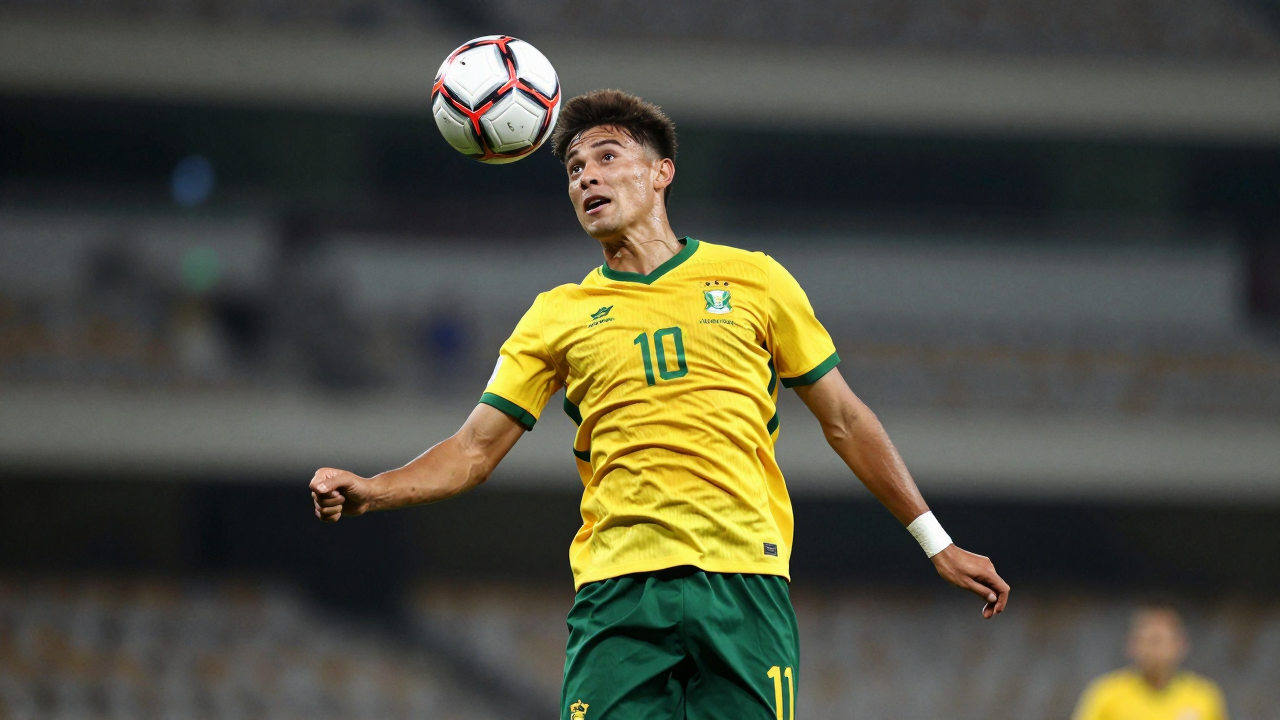

Tactical Evolution of Bafana Bafana: Adapting for World Cup Glory
As Bafana Bafana gears up for the FIFA World Cup 2026, there is a palpable buzz surrounding their recent form. Under the guidance of coach Hugo Broos, the team has shown flashes of promise, but as they prepare to compete on the world stage, some tactical tweaks are essential to elevate their performance and ensure they can compete with the best.
Recent Form Analysis
Bafana Bafana's recent matches have highlighted both strengths and weaknesses. One notable strength has been their defensive resilience, particularly in the central areas. The partnership between the centre-backs has shown cohesion, and their ability to read the game has prevented numerous scoring opportunities for opponents. However, the attacking unit has struggled to find the back of the net consistently, often relying on individual brilliance rather than cohesive team play.
The midfield has been a mixed bag as well; while players like Teboho Mokoena and Themba Zwane have displayed creativity, the team often lacks the necessary support when transitioning from defence to attack. This can lead to isolation of forward players such as Percy Tau or Lyle Foster, who thrive on service but have found it difficult to make an impact in recent outings.
Suggested Tactical Tweaks
To address these issues, several tactical adjustments could enhance Bafana Bafana's World Cup prospects. Firstly, a shift towards a more dynamic midfield setup would allow for better ball retention and quicker transitions. Broos could consider deploying a double pivot in midfield, utilizing Mokoena's passing range alongside a more defensively minded partner, which could provide additional support in both attack and defence.
Furthermore, the team should focus on width in their attacking play. By encouraging full-backs such as Thabiso Kutumela and Sifiso Hlanti to overlap, Bafana Bafana can stretch the opposition and create space for wingers like Tau to exploit. This tactical adjustment could not only increase goal-scoring opportunities but also alleviate pressure on the central defenders by keeping opponents occupied out wide.
Engaging the Front Line
In addition to structural changes, engaging the forward line with varied attacking patterns could be crucial. Instead of relying heavily on crossing the ball into the box, Bafana Bafana should mix their approach with quick interchanges and through balls that exploit gaps in the opposition's defence. This could involve tactics like the 'false nine' role, where a player drops deeper to draw defenders out of position, allowing wingers to cut inside or penetrate the box.
Defensive Stability with Aggression
Defensively, while maintaining stability is key, introducing a more aggressive pressing style could disrupt opponents' build-up play. If Bafana Bafana can integrate a coordinated pressing system, it would not only win back possession higher up the pitch but also create immediate scoring opportunities from forced errors.
Conclusion
As Bafana Bafana embarks on this exciting World Cup journey, tactical evolution will be critical. By refining their midfield dynamics, enhancing width in attack, engaging forwards more effectively, and adopting an aggressive pressing strategy, they can elevate their game and compete effectively on the global stage. With the right adjustments, Bafana Bafana could turn potential into performance, making their mark at the FIFA World Cup 2026.