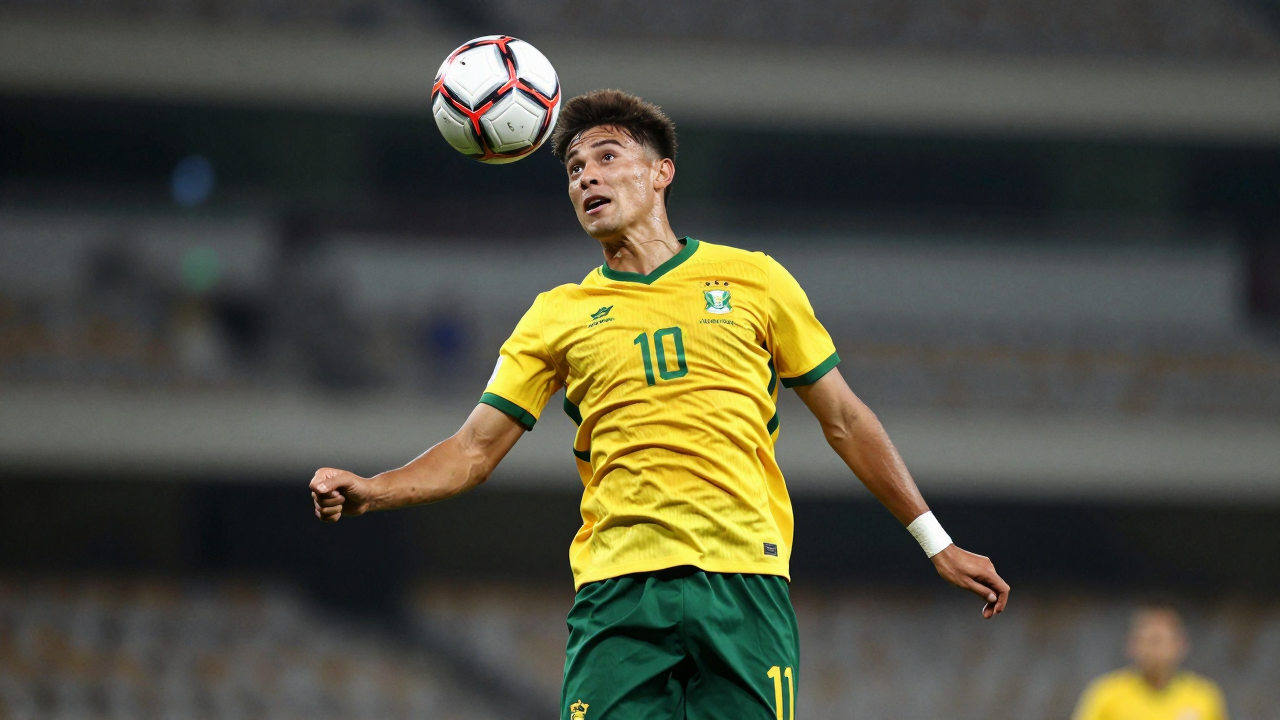

As Bafana Bafana prepares for the FIFA World Cup 2026, the team’s recent performances have showcased both potential and areas needing refinement. Under the guidance of coach Hugo Broos, South Africa has displayed a blend of youthful exuberance and seasoned experience, yet tactical tweaks are necessary to elevate their game against some of the world’s best teams.
Recent Form: A Tactical Overview
In their latest outings, Bafana Bafana have often favored a 4-2-3-1 formation, which allows for both defensive solidity and attacking fluidity. The two holding midfielders have generally provided a shield for the backline, allowing the full-backs to push forward and support wingers. However, this setup has also revealed weaknesses, particularly against teams that press high and transition quickly.
One of the most noticeable trends has been the team's reliance on wing play, with wingers cutting inside to create shooting opportunities or combining with overlapping full-backs. While this can be effective, it has also led to predictability, making it easier for opponents to nullify Bafana Bafana's attacking threats. To counter this, Broos might consider introducing a more fluid attacking system, perhaps shifting to a 4-3-3 formation that allows for greater dynamism in the final third.
Suggested Tweaks for Tactical Improvement
1. Enhancing Midfield Control: The midfield duo needs to be more proactive in transitioning the ball from defense to attack. Introducing a more creative playmaker, who can break lines with incisive passes, could unlock opposing defenses. This could involve utilizing a player like T. Mbatha in a more advanced role to link play effectively between the midfield and attack.
2. Defensive Solidity: The backline has shown vulnerabilities, especially in set-piece situations and during rapid counter-attacks. Strengthening communication among defenders and incorporating a more cohesive pressing strategy could mitigate these risks. Assigning specific roles during defensive transitions, where players are clear on their responsibilities, will be crucial in maintaining compactness.
3. Utilizing a Twin Striker System: While a lone striker has its benefits, deploying two forwards could stretch defenses and create more goal-scoring opportunities. This approach would allow for more combinations in the attacking third, particularly with players like K. Billiat and T. Smith, who excel in tight spaces and can exploit defensive lapses.
4. Incorporating Tactical Flexibility: Broos should consider varying formations based on the opponent. Against teams that dominate possession, a more conservative approach with a 4-2-3-1 might be beneficial, while a 4-3-3 could be ideal for teams that sit back. This adaptability can keep opponents guessing and allow Bafana Bafana to exploit specific weaknesses in their game plan.
Conclusion: A Roadmap to Success
As the World Cup approaches, Bafana Bafana's tactical evolution will be pivotal for their success. By making these strategic adjustments, Hugo Broos can enhance the team’s resilience and creativity on the field, allowing them to compete effectively against the best in the world. The road ahead is challenging, but with the right tweaks, Bafana Bafana can emerge as a formidable force in global football.