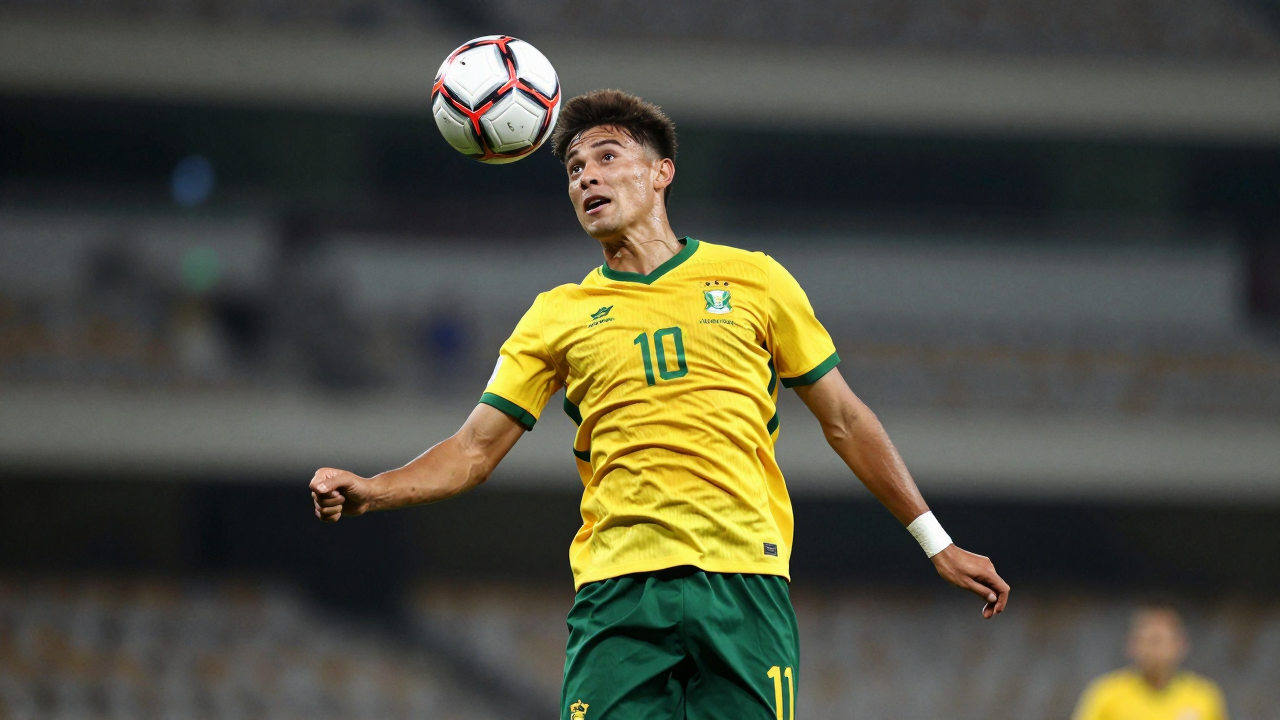

Hugo Broos' tenure as head coach of Bafana Bafana has been marked by a significant transformation, a break from the past that many believe was necessary for the growth of South African football. After years of stagnation, the team is beginning to show signs of promise, particularly following their qualification for the 2024 Africa Cup of Nations. However, the question that looms large is whether this new direction can lead to sustained success on the international stage.
The Shift in Strategy
Under Broos, the tactical approach has undergone a fundamental alteration. The former Belgian international has emphasized a more disciplined, organized style of play, focusing on both defensive solidity and quick transitions. This is a stark contrast to the often chaotic and disjointed performances of previous years.
- Defensive Organisation: Broos has instilled a sense of responsibility in his defenders, making them more cohesive and effective in thwarting opponent attacks.
- Midfield Control: The midfielders are now tasked with both breaking up the play and facilitating quick counter-attacks, a role that has seen players like Tashreeq Vardien thrive.
- Attacking Flexibility: The team’s forwards have been given greater freedom to interchange positions, making it difficult for opponents to predict their movements.
Broos’ strategies have begun to yield results, as evidenced by the team’s recent performances. The focus on a structured approach has not only improved results but has also fostered a newfound confidence within the squad.
What it means for South Africa
The resurgence of Bafana Bafana under Broos is more than just about football; it resonates deeply with South African fans who have long yearned for a competitive national side. The nation is beginning to believe again, a sentiment that has been bolstered by recent successes and a clearer vision for the future.
This transformation comes at a crucial time, as South Africa prepares for the FIFA World Cup 2026. Fans are cautiously optimistic, hoping that the progress made under Broos can translate into a strong showing on the biggest stage. The emotional investment from supporters, who have experienced years of disappointment, is a vital component of this revival.
The Road Ahead: Challenges and Opportunities
Despite the positive strides, Broos faces significant challenges going forward. One of the most pressing issues is maintaining consistency in performance. South Africa will need to build on recent successes, particularly as they head into competitive fixtures against formidable opponents.
- Player Development: The continued development of young talent is essential. Broos must integrate youth players into the senior squad who can contribute at the highest level.
- Tactical Adaptability: As teams become more familiar with Broos’ tactics, adaptability will be key. The coaching staff must remain flexible in their approach to ensure ongoing success.
- Fan Engagement: Keeping fans engaged and active is crucial. The team needs to cultivate a strong connection with supporters, fostering a sense of unity and pride.
If Bafana Bafana can navigate these challenges effectively, they have the potential to become a formidable force in African football and beyond.
Fan Reaction and Outlook
The fan reaction to Broos’ tenure has been largely positive, with many praising his fresh approach and commitment to building a competitive team. Social media platforms have been abuzz with discussions about the team’s potential, with supporters expressing hope for future success.
- Increased Attendance: Matches have seen a rise in attendance, reflecting the growing interest in the national team.
- Social Media Engagement: Fans are actively engaging with the team online, sharing highlights and discussing strategies, which has helped create a vibrant community around Bafana Bafana.
- Merchandise Sales: There’s been a noticeable increase in merchandise sales, indicating a reinvigorated fanbase ready to support the team.
However, there are still critics who argue that while the transformation is promising, it is too early to celebrate. Some sceptics point out that the team needs to prove themselves against top-tier opponents consistently before being considered genuine contenders on the world stage.
The Wider Championship Picture
Looking beyond Bafana Bafana, the landscape of African football is evolving. Teams across the continent are investing in youth development and tactical sophistication, raising the competitive bar. Countries like Senegal, Egypt, and Nigeria continue to be powerhouses, but there’s a sense that South Africa is on the verge of re-entering this elite conversation.
The performance of Bafana Bafana in the upcoming Africa Cup of Nations will be crucial. It’s an opportunity for the team to not only assert its place among the best in Africa but also to gain invaluable experience ahead of the FIFA World Cup 2026. Success in this tournament could serve as a springboard for further progress and confidence.
What's next
As Bafana Bafana gears up for their next set of fixtures, the focus will undoubtedly be on building momentum. The upcoming matches will be critical for assessing the effectiveness of Broos’ strategies and the team’s readiness for the challenges ahead.
Fans will be watching closely, hoping that the transformation under Broos will not only bring back the glory days of South African football but also establish a foundation for long-term success. The journey is far from over, and the next chapter in Bafana Bafana's story promises to be one of anticipation and hope.